
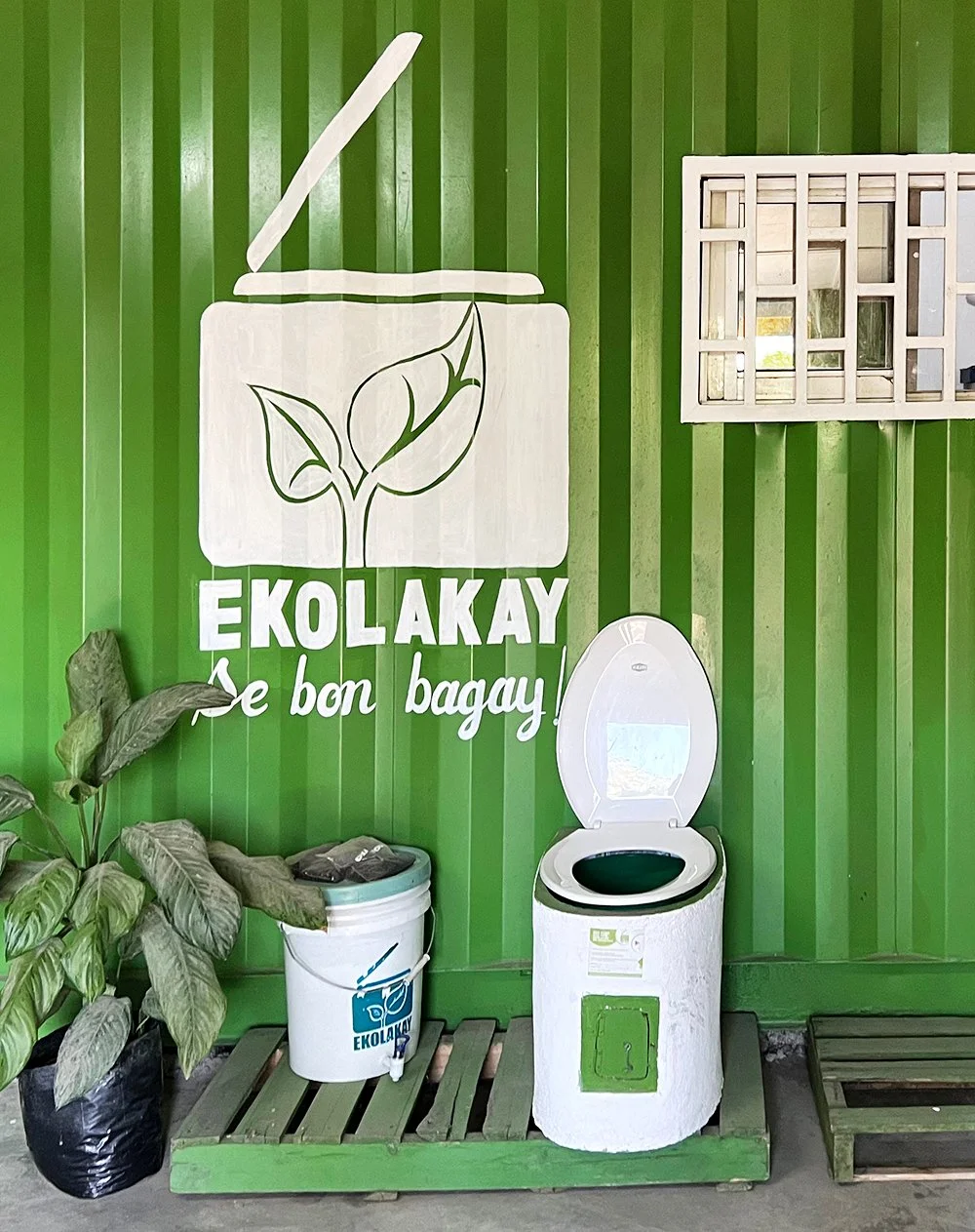
The EkoLakay service works — but its current processes and technical limitations determine how far it can grow. And growth is crucial: only on a larger scale will costs fall sufficiently for safe, hygienic sanitation to reach many more families. Making day-to-day operations more efficient is therefore essential.
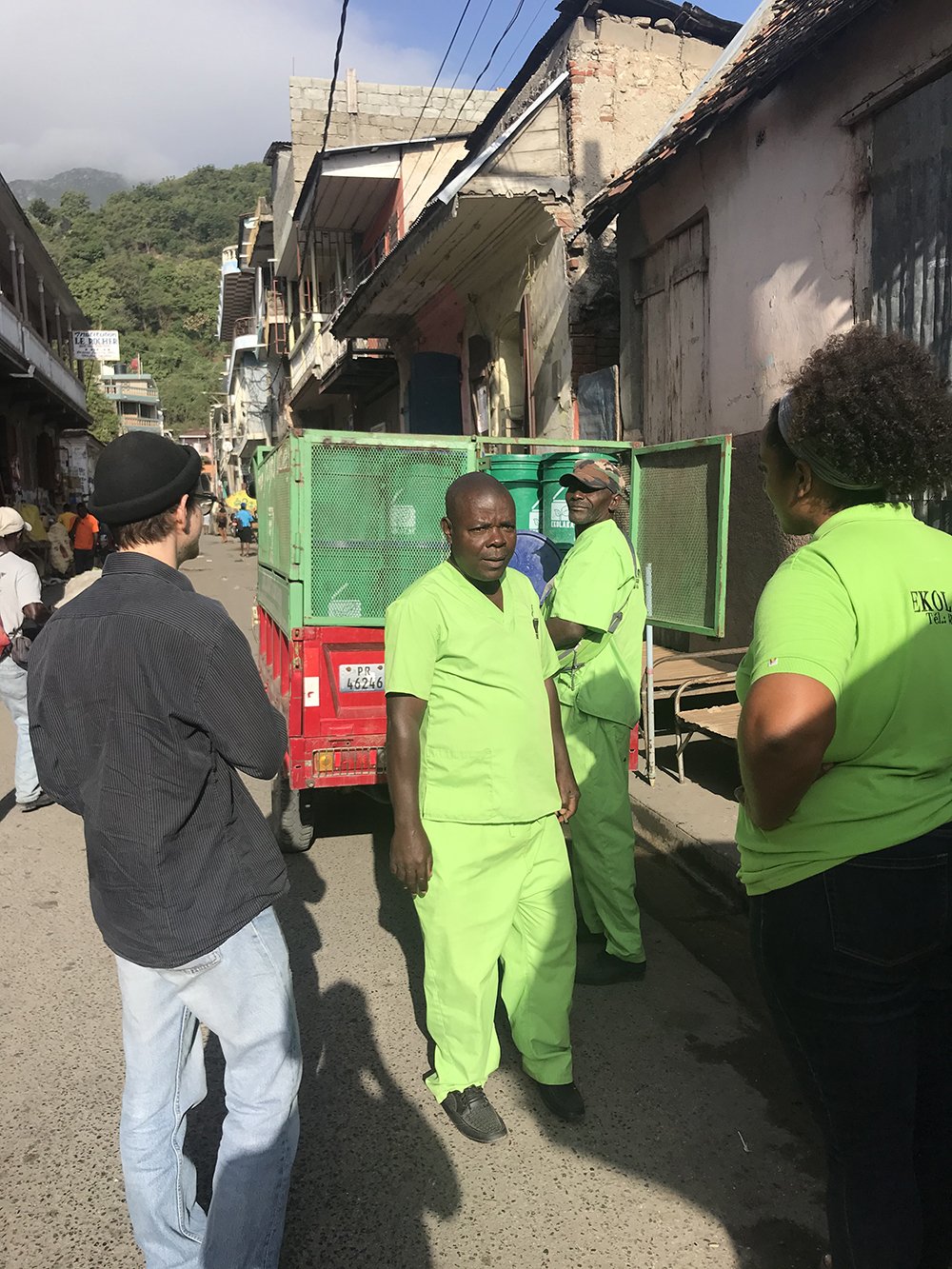
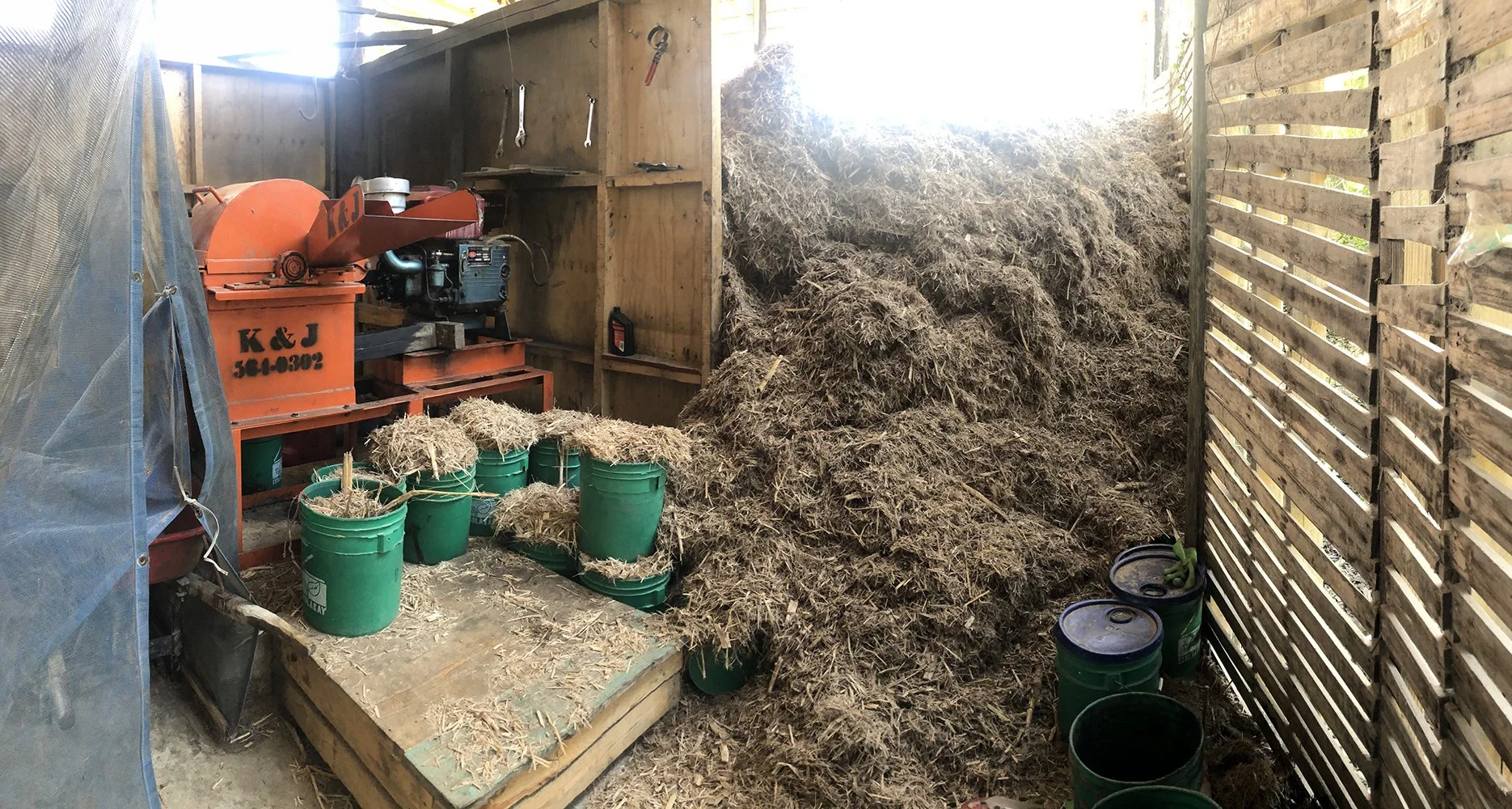
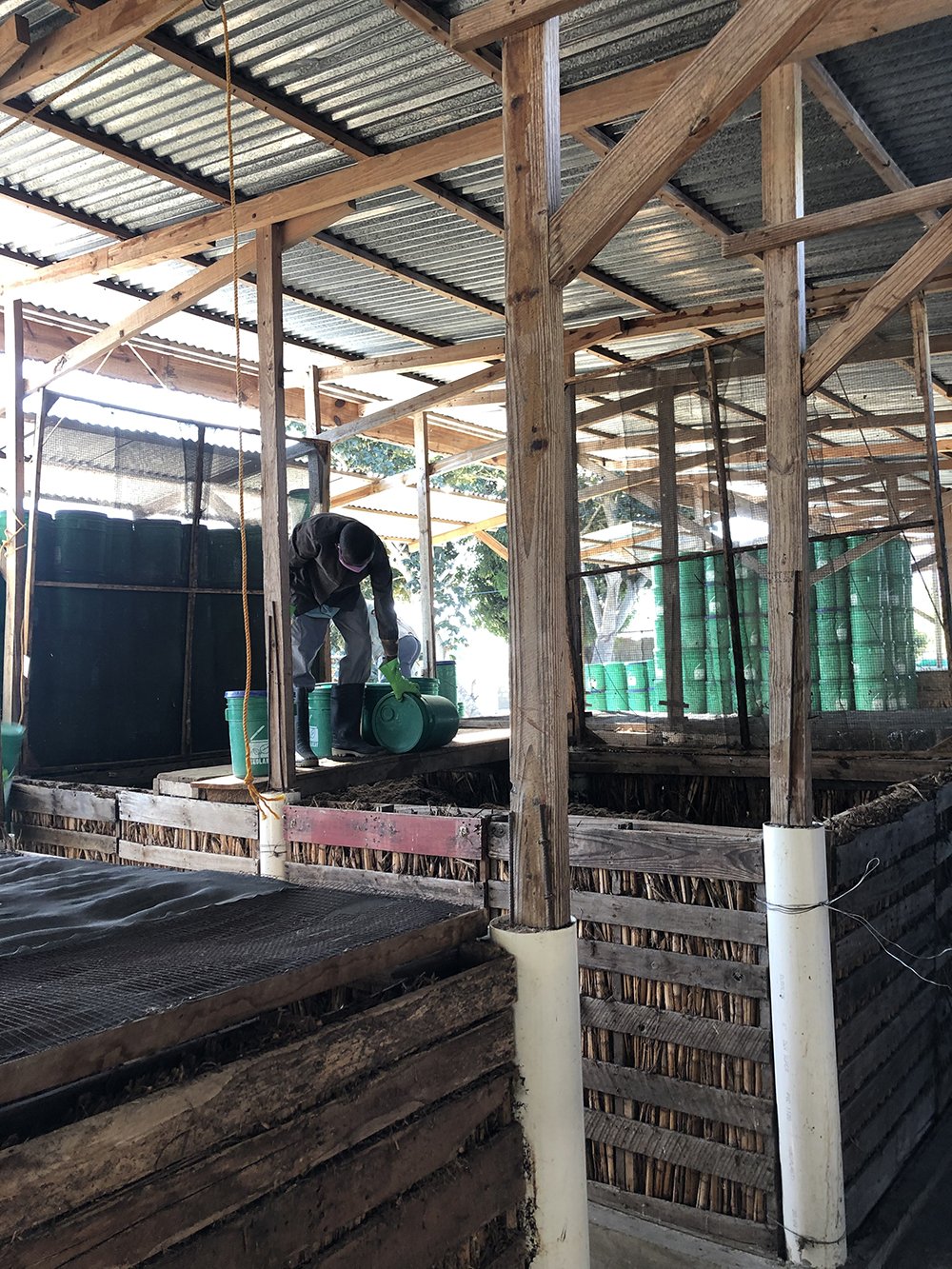
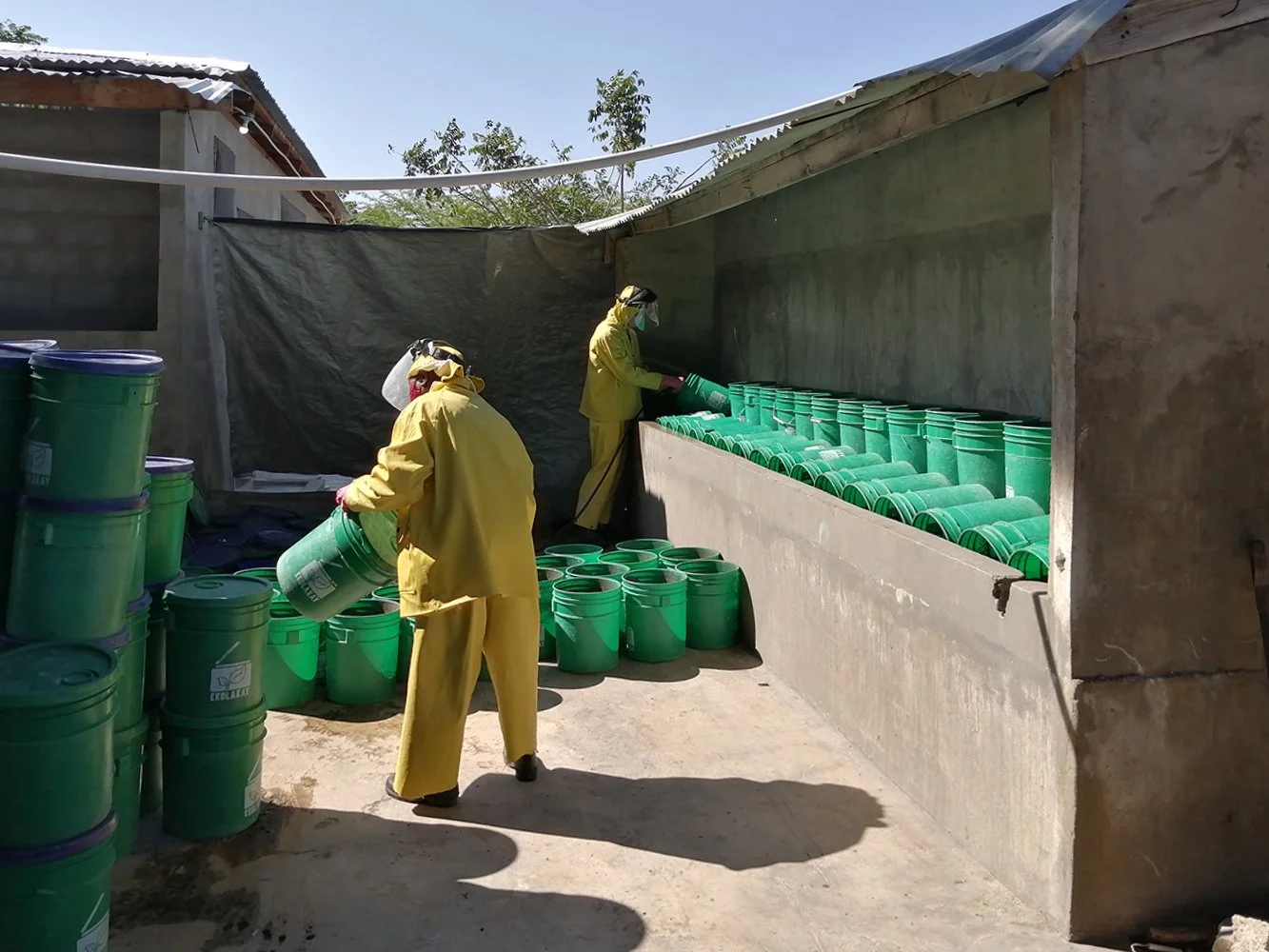
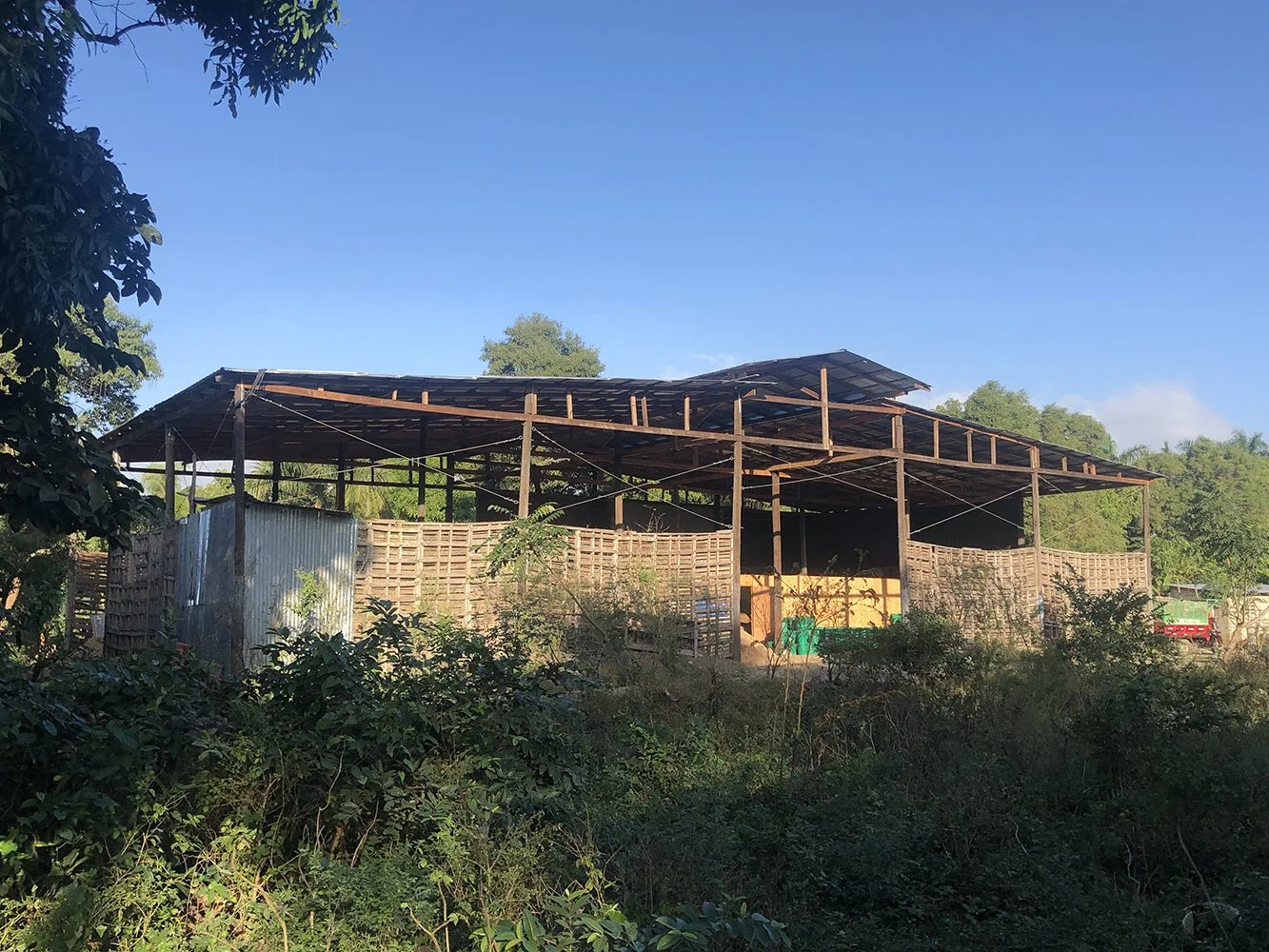
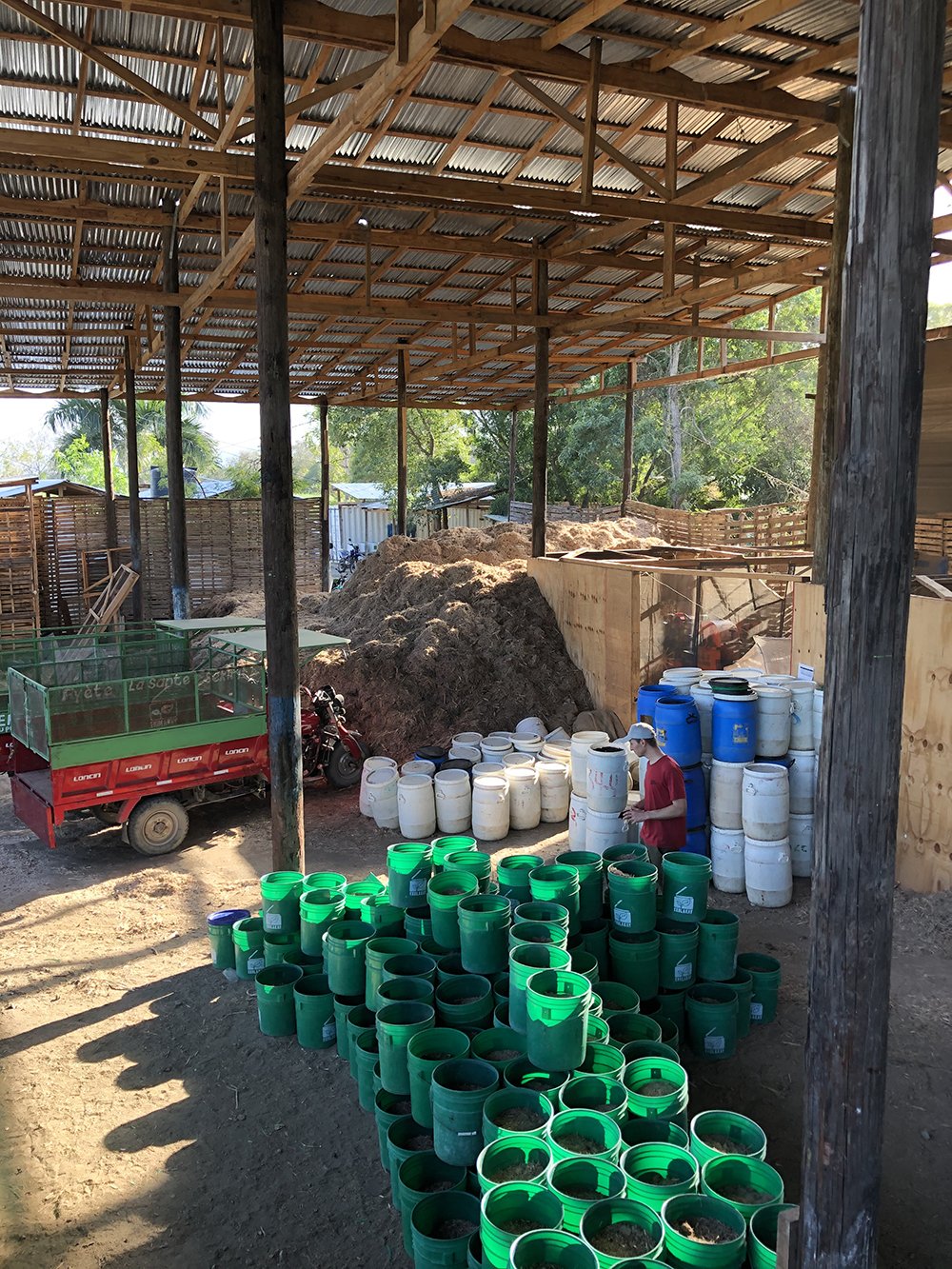
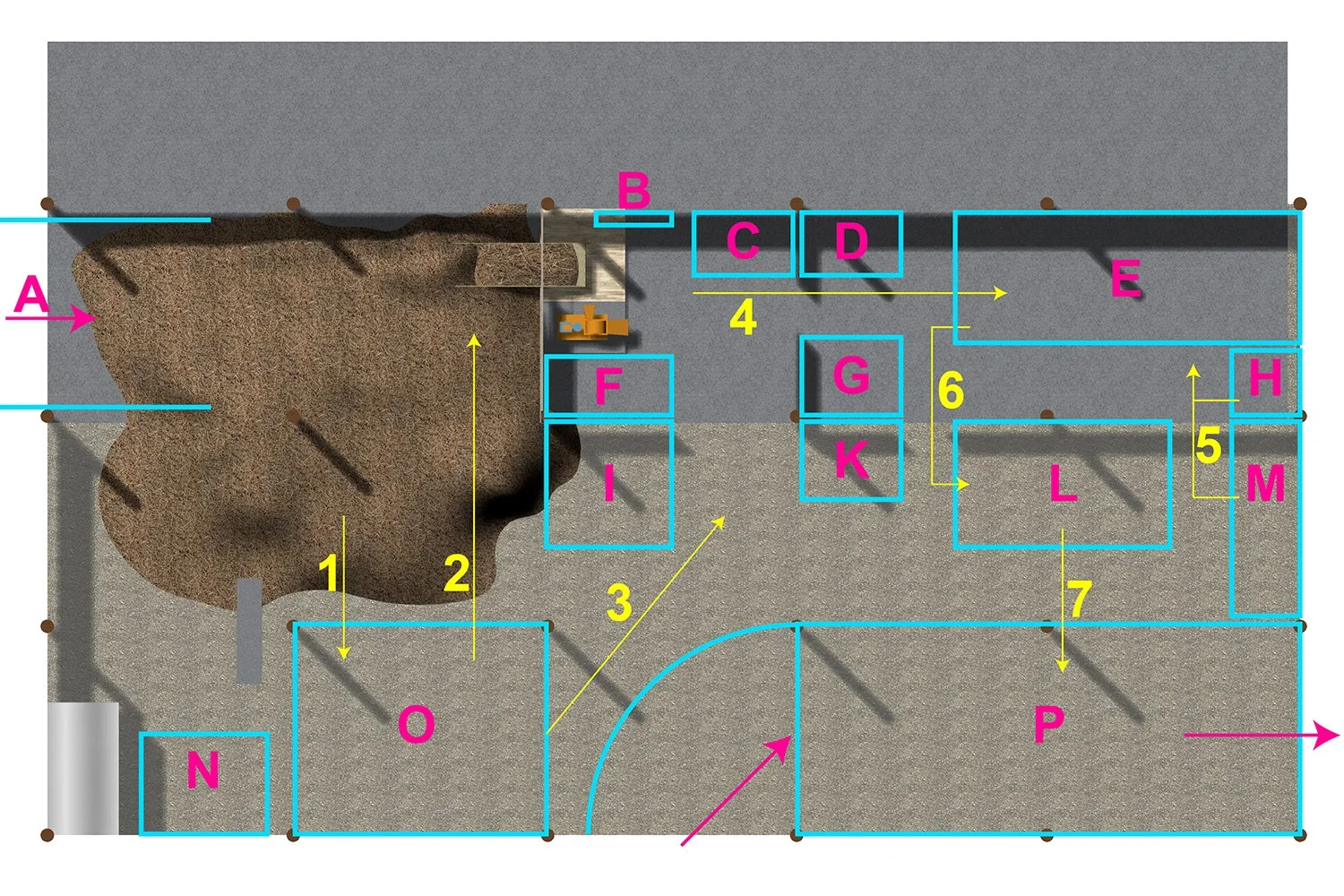
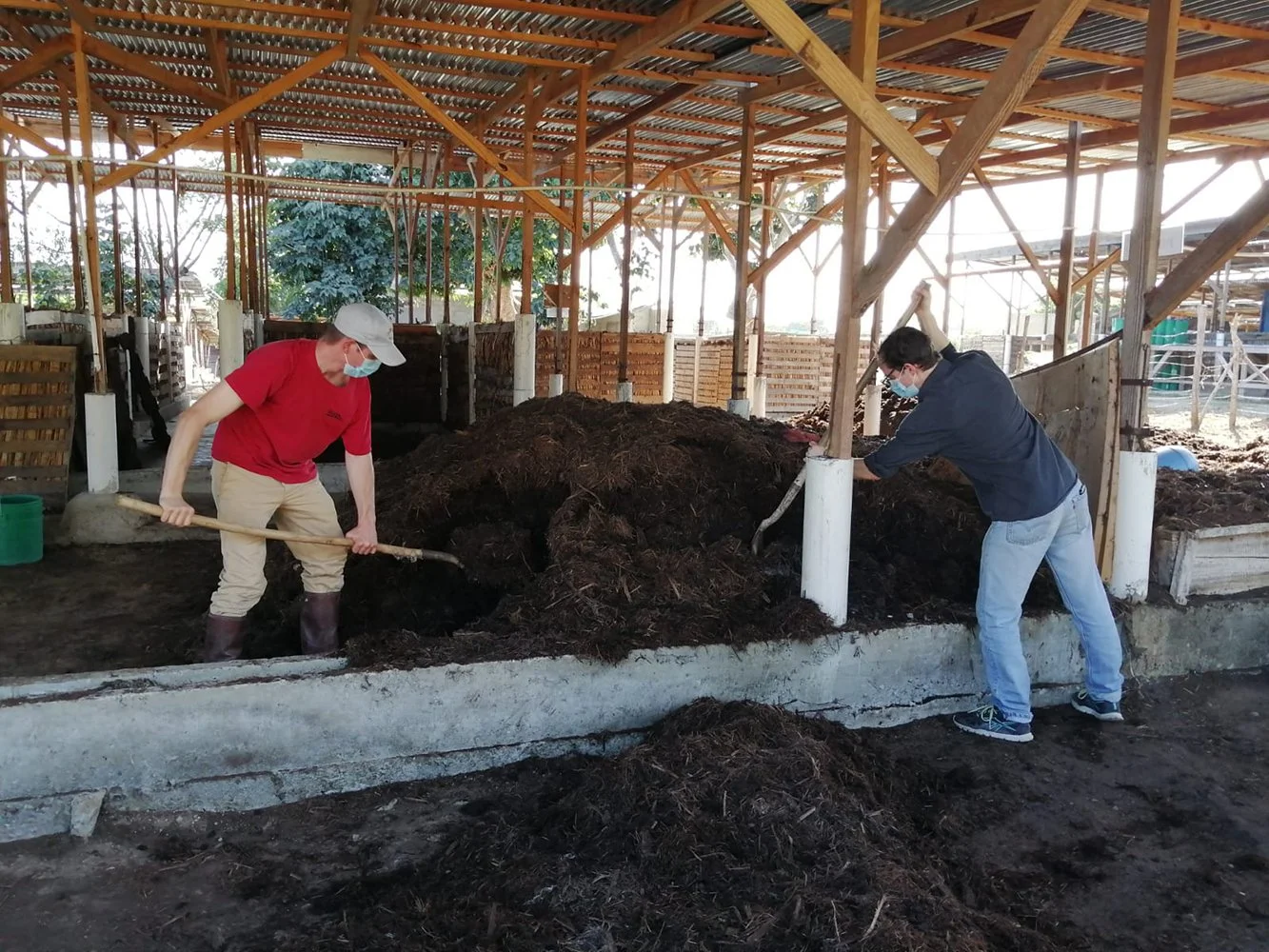
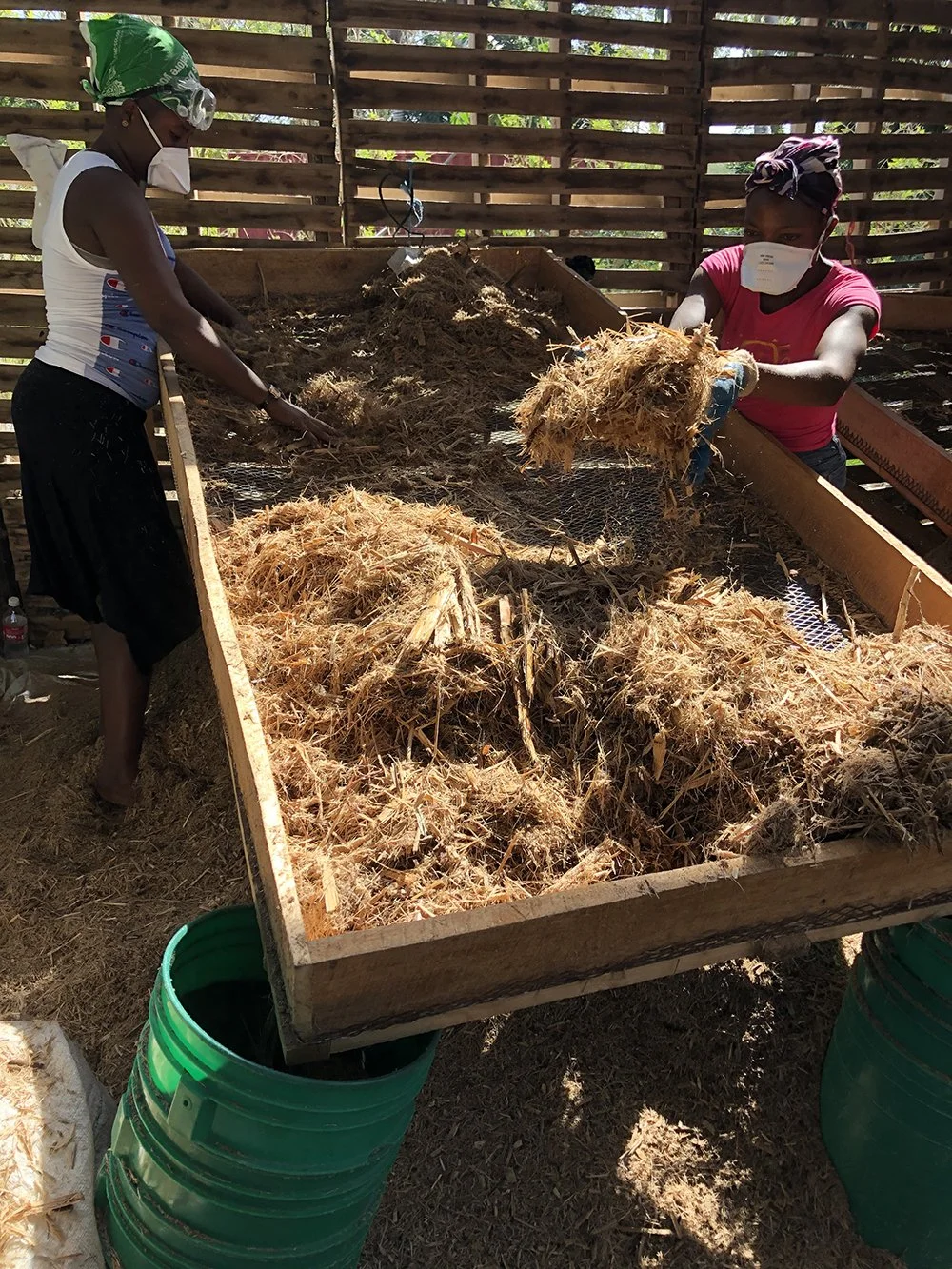
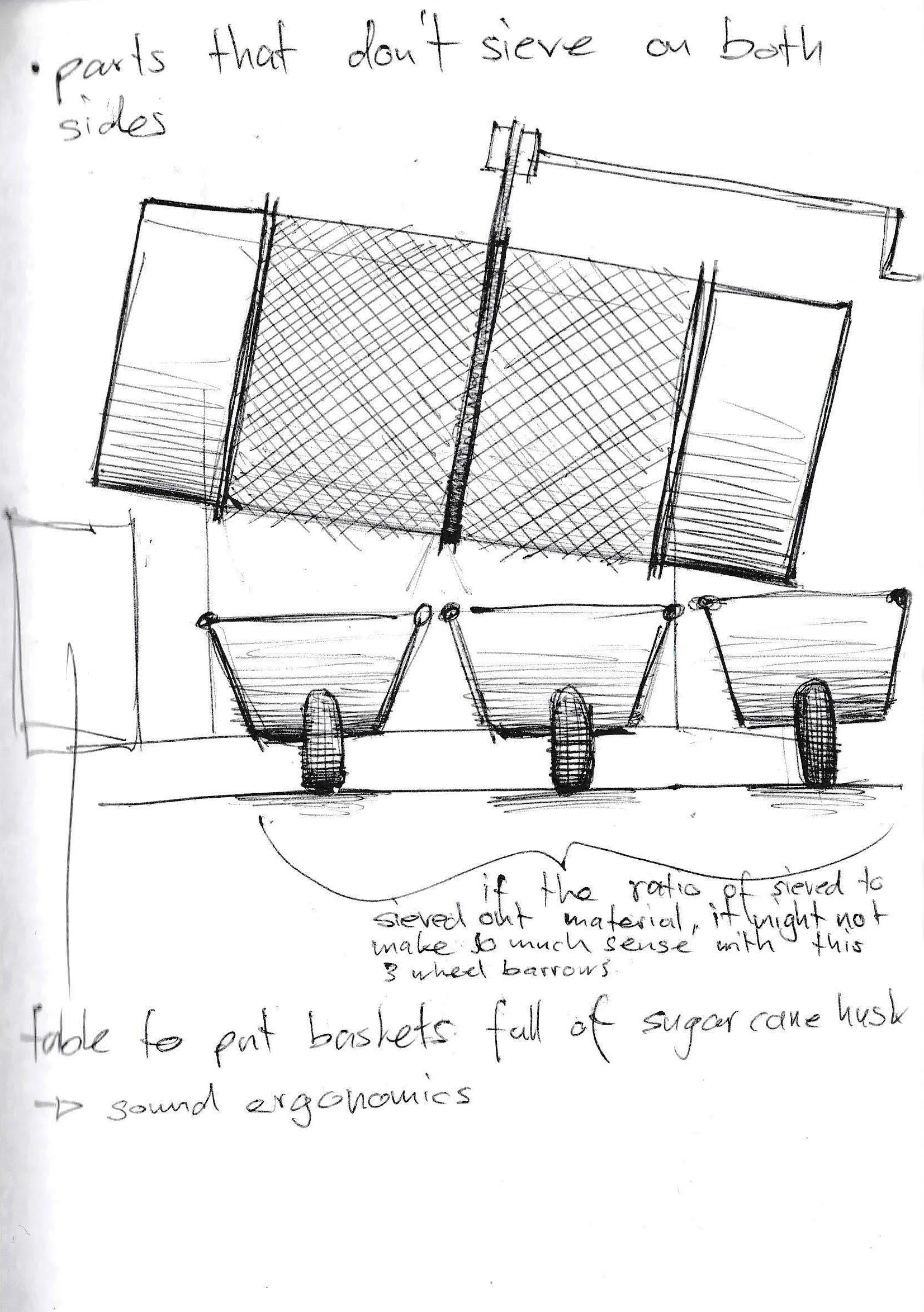
Observing, asking questions, taking notes, getting involved, thinking ahead, sketching.
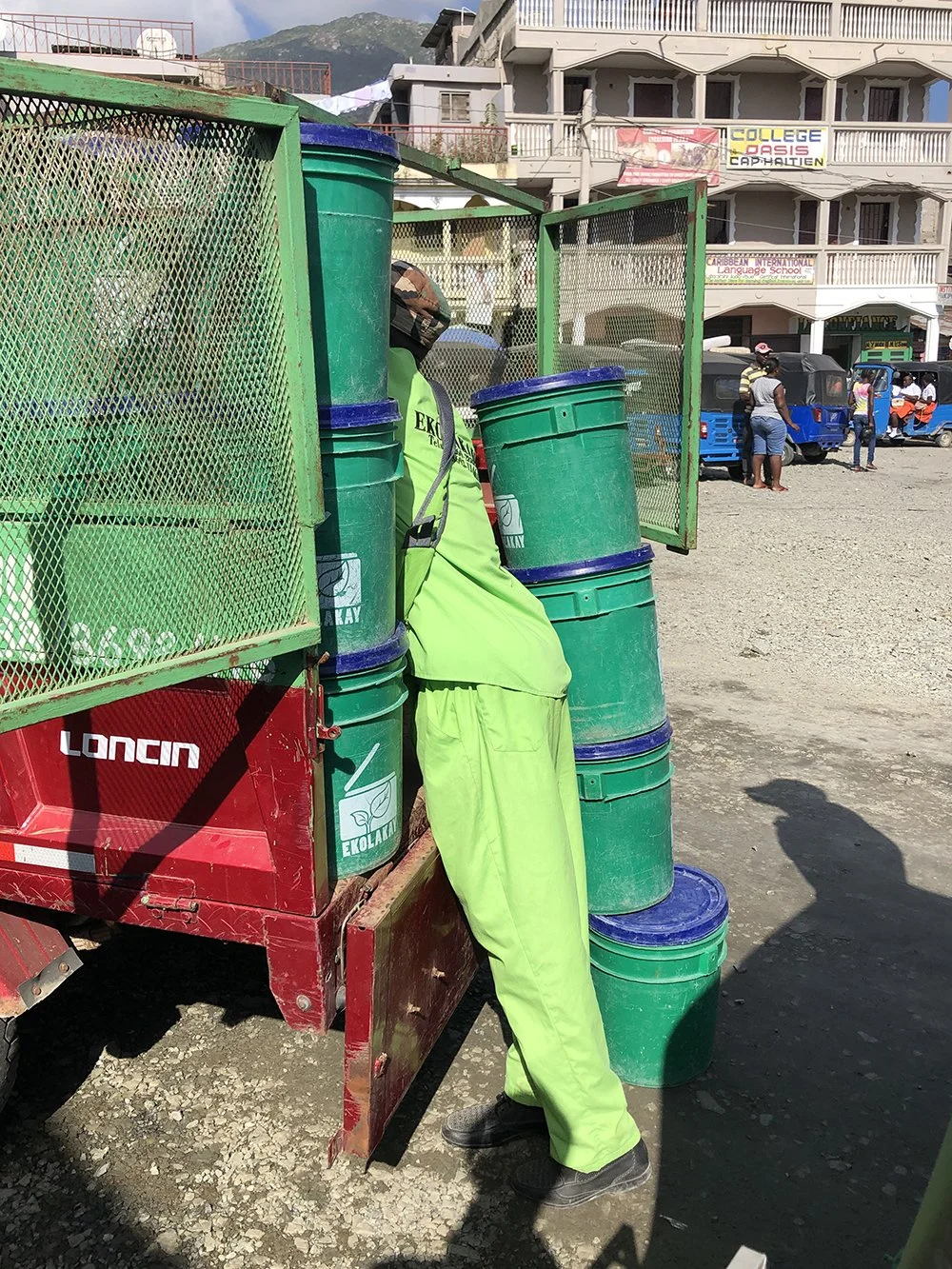
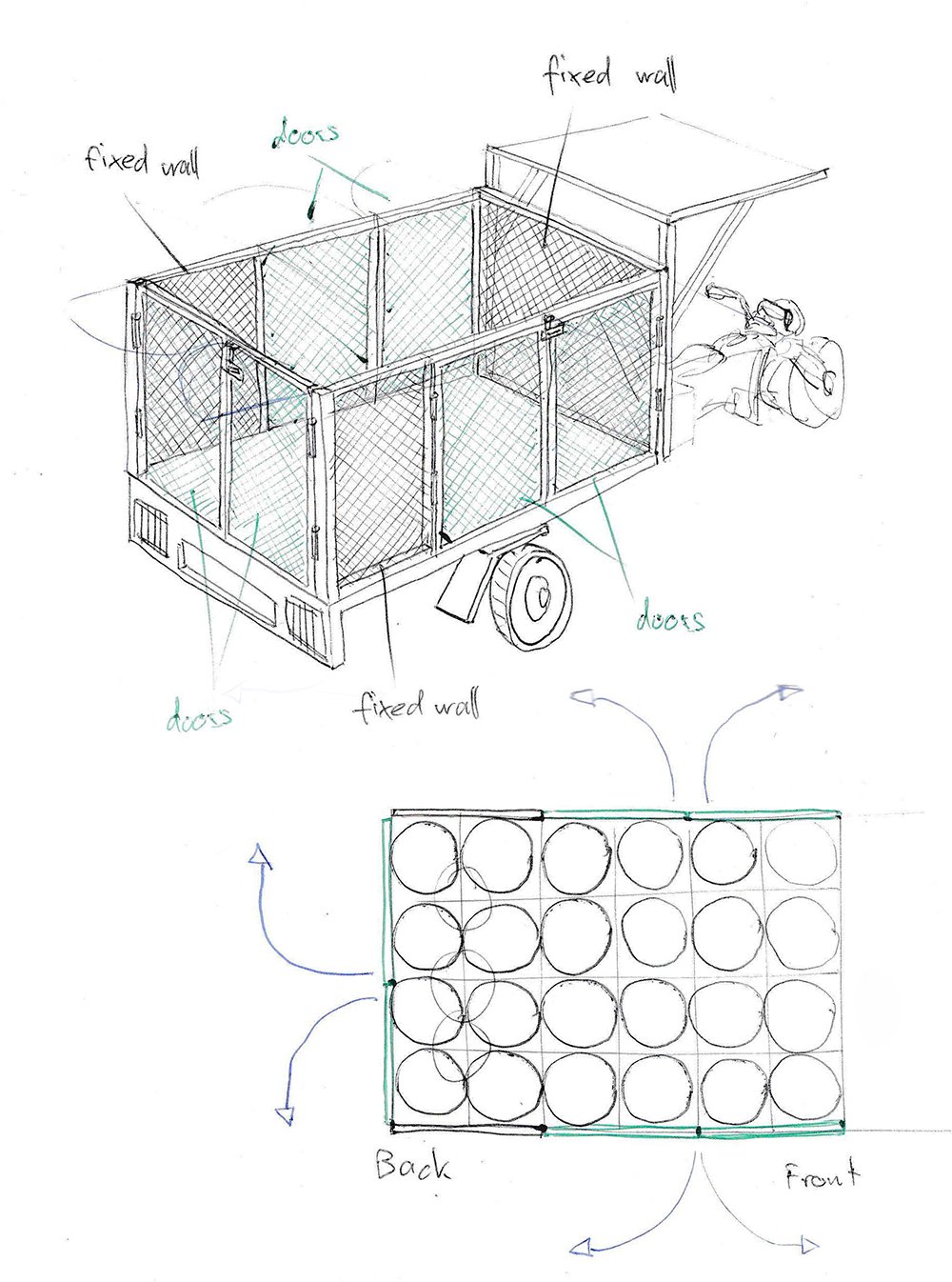
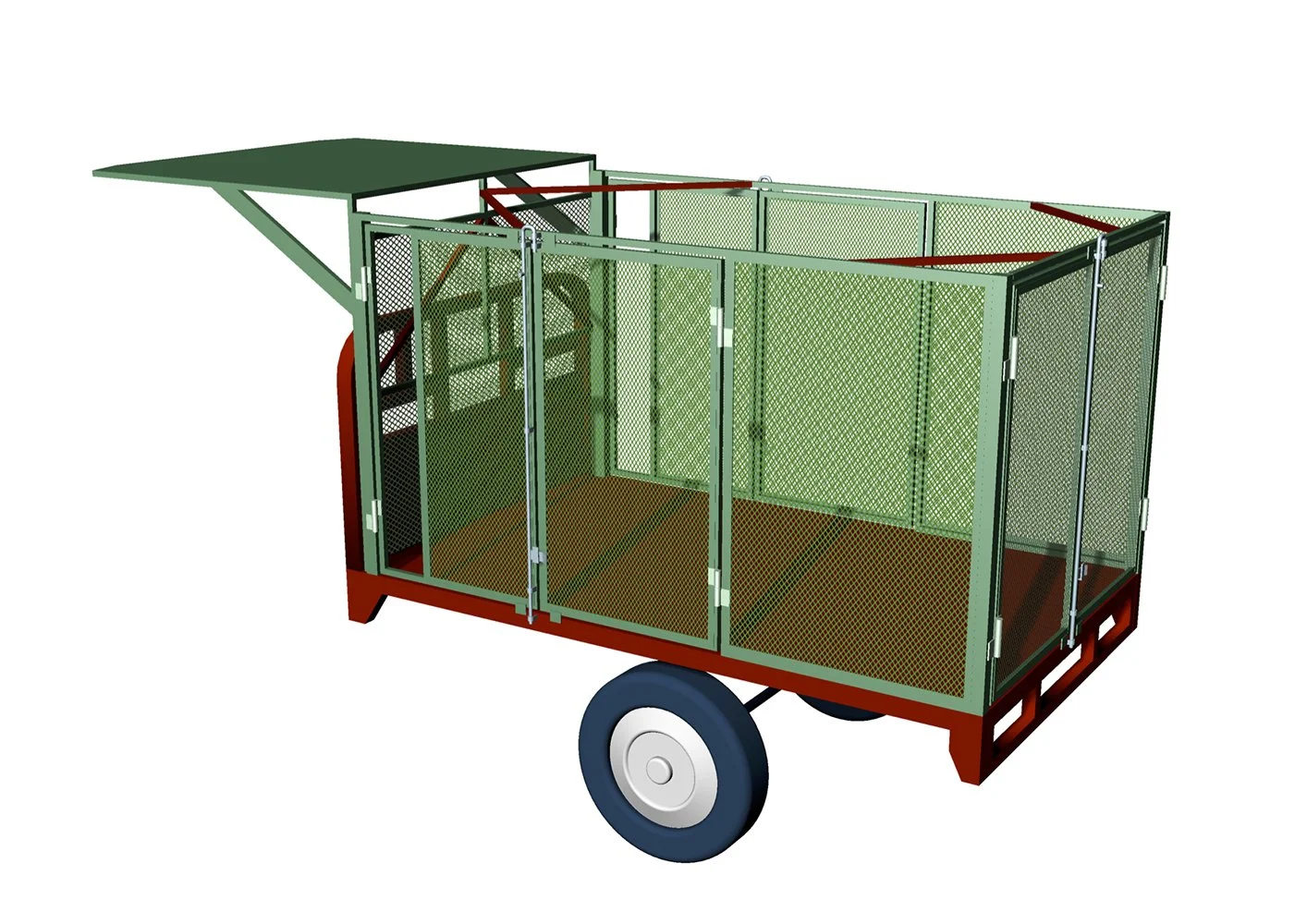
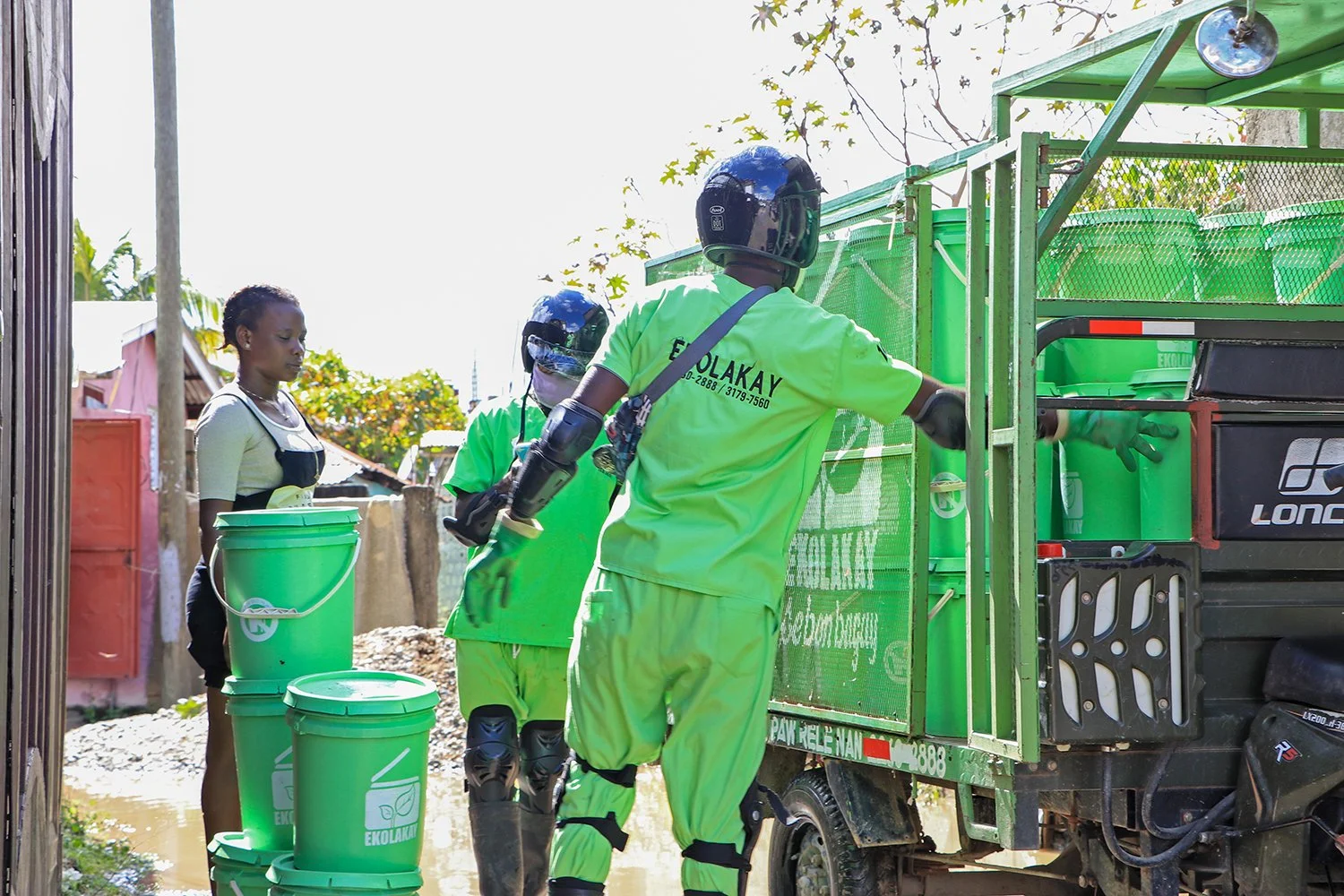
The modified design of the mesh cage on the 3-wheelers, with openings on both sides, makes it easier, safer and more efficient to load and arrange the buckets.
SOIL Haiti – EkoLakay
DE
EkoLakay ist der container-basierte Sanitärservice (container-based sanitation CBS) von SOIL in Cap Haïtien — ein Trockentoiletten-System ganz ohne Kanalisation: die grünen, vollen Behälter werden wöchentlich abgeholt und durch saubere ersetzt, der Inhalt zu landwirtschaftlichem Kompost verarbeitet. Der Service umfasst mehrere Arbeitsschritte: Sammeln, Sieben des Streumaterials, Entleeren, Waschen und Kompostieren.
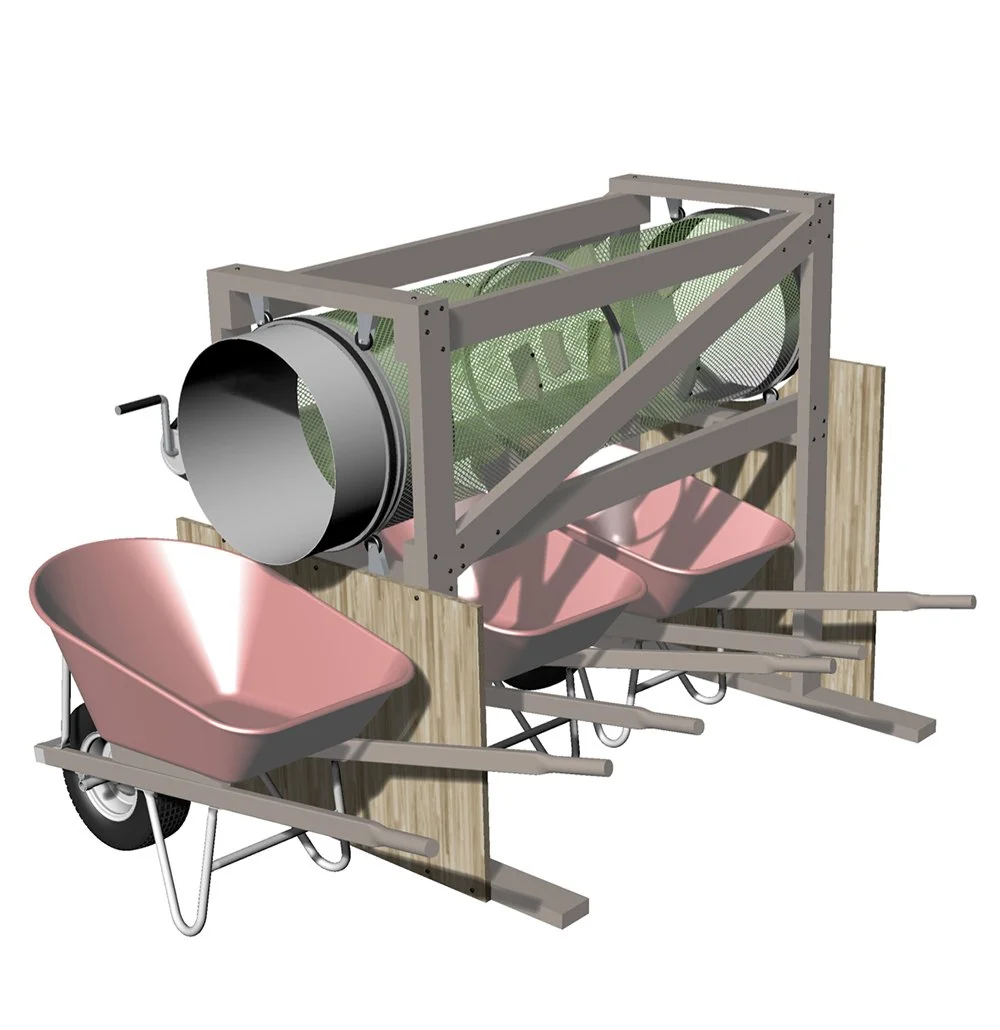
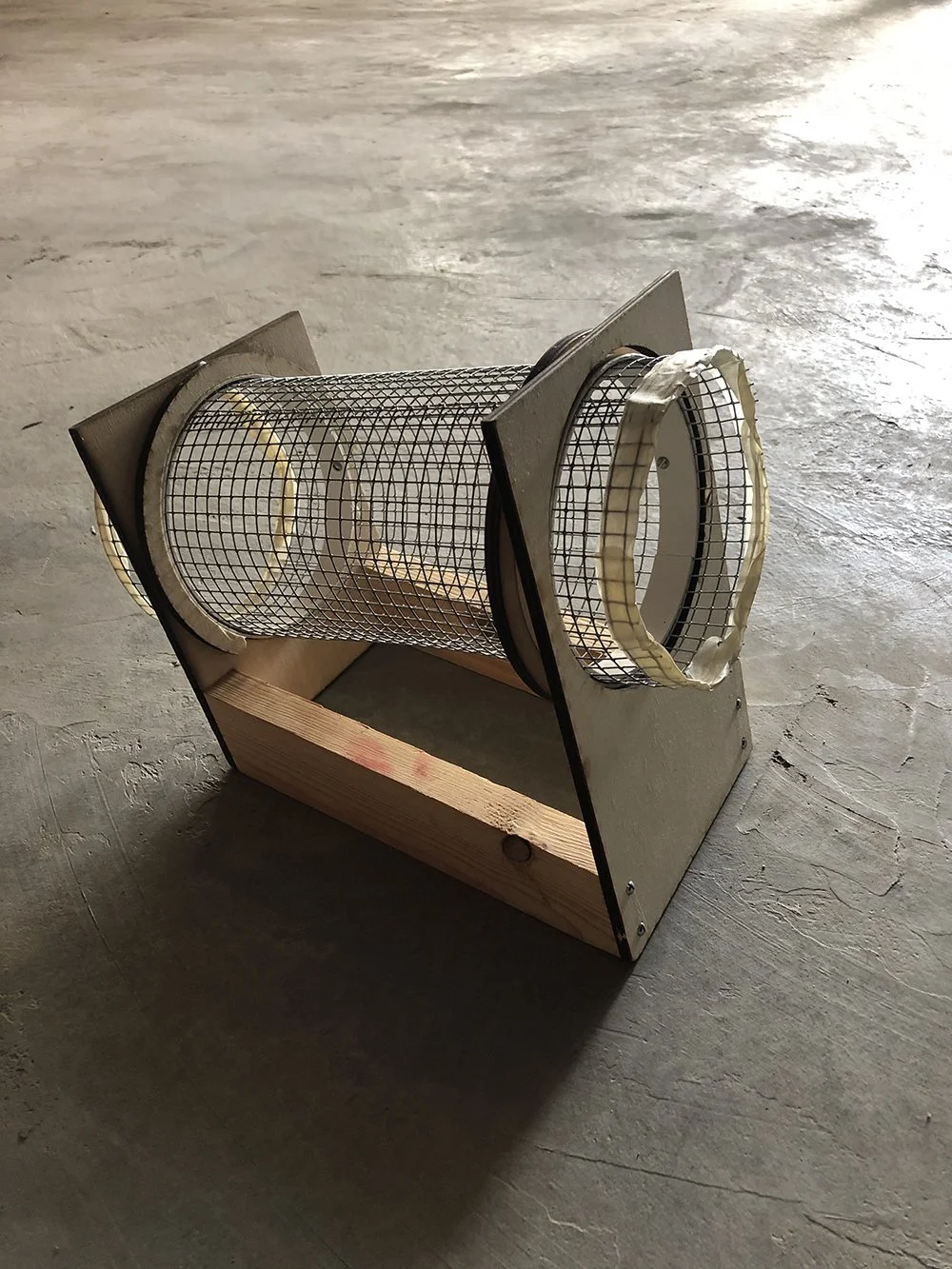
2020 reisten wir mit Jojo Linder (Kompotoi) nach Haiti — nicht, um den Service von aussen zu beurteilen, sondern um ihn zu verstehen. Wir begleiteten die Teams, beobachteten und arbeiteten mit. Daraus entstand eine Analyse der Abläufe und einfache Verbesserungsvorschläge: ein allseitig beladbares Sammelfahrzeug, einfachere Siebe und Maschinen, ergonomischere Arbeitsplätze, ein neu geordneter Produktionsablauf. Mehrere wurden vor Ort mit lokalen Mitteln als Prototyp gebaut.
Die Menschen, die den Service täglich leisten, kennen ihn am besten. Unsere Rolle verstehen wir als Anstoss, der vorhandene Stärken sichtbar macht: ihr Wissen ernst nehmen, passende Werkzeuge bereitstellen und Selbsthilfe von innen stärken — statt Abhängigkeit von aussen zu schaffen.
EN
EkoLakay is SOIL's container-based sanitation (CBS) service in Cap-Haïtien — a dry-toilet system that works without sewers: the green, full containers are collected each week and replaced with clean ones, their contents turned into agricultural-grade compost. The service involves several steps: collecting, sieving the cover material, emptying, washing and composting.
In 2020 we travelled to Haiti with Jojo Linder (Kompotoi) — not to judge the service from the outside, but to understand it. We followed the teams, observed, and worked alongside them. The result: an analysis of the workflows and simple proposals — a collection vehicle that loads from every side, simpler sieves and machines, more ergonomic workstations, a reorganised production flow. Several were built as prototypes on site, with local means.
The people who run the service every day know it best. We see our role as an impulse that makes existing strengths visible: taking their knowledge seriously, providing the right tools, and strengthening self-help from within — rather than creating dependency from outside.
Client: SOIL Haiti
Collab Partner: Jojo Linder (Kompotoi)
2020